AI for Small Business in Australia: What’s Working, What Isn’t, and Where It’s Heading
AI

Neil Mason
Managing Director at The Start
Forty percent of Australian SMEs are currently adopting AI, according to the Department of Industry’s Q1 2025 tracker. Up from 35% the quarter before. The trend line is pointing up, the press releases are enthusiastic (perhaps a little too enthusiastic), and everyone’s got their own favourite AI tool they’re trying.
And yet, the Reserve Bank of Australia looked at this last year and found that most AI adoption has been piecemeal – often driven by individual employees rather than any kind of business decision or strategy. Which is a polite way of saying a lot of Australian businesses treat AI the same way we have a treadmill at home. Set up with good intentions. Running nothing (and nowhere!).
Revenue proof is thin. AI adoption in Australian SMEs is accelerating. Evidence that it translates to measurable revenue improvement is a different story entirely.
That’s not an argument against any of it. It’s just important to be honest about where things actually are.
The split
The divide is real. 35% of SMEs are adopting AI, 23% have no idea how they’d even use it, and 42% have no plans to adopt at all. That ‘no plans group’ isn’t all head in the sand stuff. Some of those businesses have looked at their operations and concluded that no AI tool is going to solve their actual problem, which is usually something like margins or staff retention.
There’s also a clear metro vs regional gap. Regional SMEs are 11% less likely to implement AI, with over a quarter unaware of its potential applications, compared to 19% of their metro counterparts. I suppose this makes sense. If your nearest tech consultant is four hours away and you’re running a cattle operation or a hardware store, there’s probably not a great call for an AI tool. There’s an opportunity in there somewhere for some young entrepreneur – maybe.
It’s no surprise then that larger businesses are leading the way. Companies with over 500 employees have a 60% AI adoption rate, compared to roughly 20% in small-to-medium businesses. The gap exists for the obvious reasons: budget, dedicated IT people, and someone whose actual job is evaluating these tools, all make it far easier for a larger businesses to dig deeper.
The $142 billion number – and why we should question it.
You’ve probably seen the Tech Council projection that AI could add $142 billion annually to Australia’s GDP by 2030. It’s quoted constantly. It is an optimistic number.
What’s less frequently mentioned: that report was commissioned and funded by OpenAI. The research was conducted in partnership with the Tech Council, but the primary funding came from a company with a direct commercial interest in widespread AI adoption. The report also states that AI currently adds $21 billion per year to Australian GDP – meaning the projection requires a roughly sevenfold increase in four years.
That could happen – BUT…..it would require things to go very right, very consistently. And, if you’ve been following AI news for the last 5 years, you’ll know that things are very rarely predicatble.
Where we think things are actually going
We believe the formula isn’t complicated. In fact, it’s hardly a formula.
Use it regularly, for actual work, without announcing it on LinkedIn.
That’s the formula. Revolutionary. Just use the tool for the thing it’s actually good at, and ignore everything else. The admin work that used to take three hours takes 15 minutes. The customer query that used to sit in a queue gets answered at 6am. The report that used to require someone pulling data from 7 places gets pulled automatically.
None of that looks impressive on a conference slide but all of it adds up.
Where we sit in this
It’s no secret that we’ve been using AI for years. In the last 18 months we’ve built three tools specifically for SMEs who want to start using AI in practical ways rather than some theoretical strategic ‘journey’.
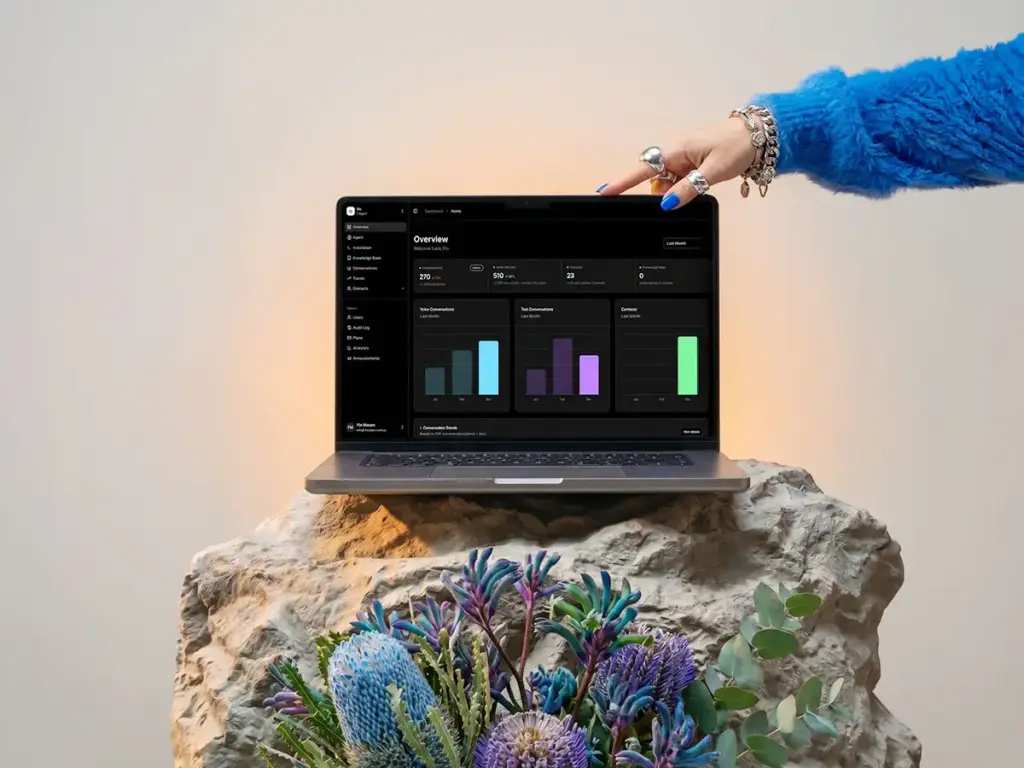
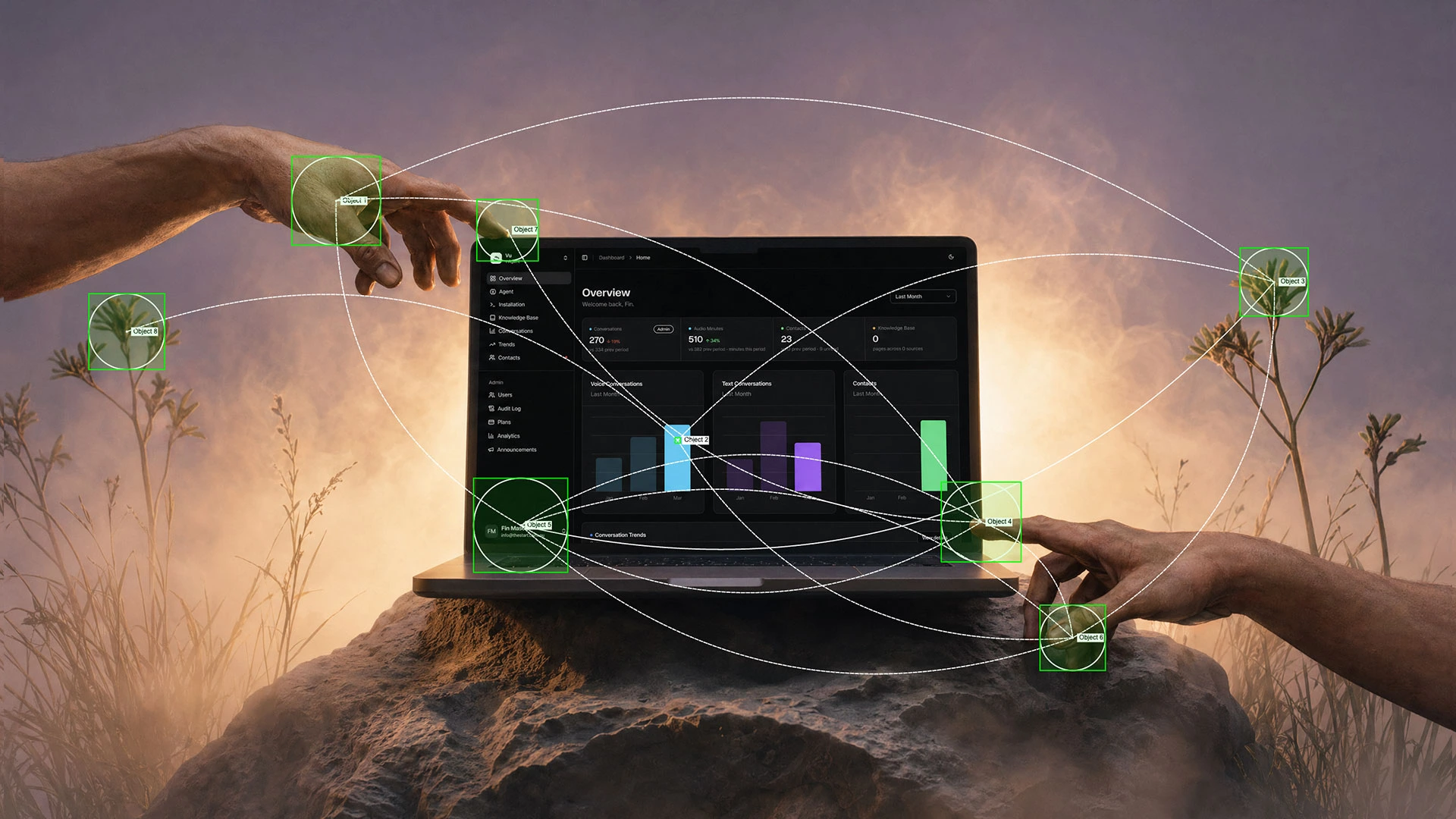
Voodu puts a conversational AI on your website that’s trained on your business, your products, your services, your tone. Not a generic chatbot that sends everyone to a contact form. Clients like Pacific Energy and Touchwood Mushrooms are using it to handle the questions that used to eat up their team’s day.
Solais is about visibility – like SEO but for ChatGPT and Gemini etc. As AI-generated search results become more widely used and traditional rankings matter less, the question of whether your business appears in AI answers becomes genuinely important. Solais tracks that and helps you do something about it.
And our content platform, Maiple, gives our clients the ability to produce consistent, on-brand content without starting from scratch every time. Brand voice, image generation, competitor awareness. The stuff that used to require a full marketing team.
None of these are a five-year strategy. They’re a starting point. A thing to try. Something that might save your team real time in the next year if you point it at the right problem.
The 42% question (sorry, more numbers……)
A significant share of small businesses still believe AI is unlikely to increase their revenue or cashflow – 42% say they don’t see it delivering on that. That scepticism isn’t irrational. Most of the claims about AI are big, most of the evidence is still early, and nobody wants to spend money on something that ends up being a novelty.
But the cost of experimenting has dropped considerably. Most of the tools worth trying have free tiers. The investment is mostly time. A few hours to try something properly, a few weeks to see whether it helps. We think it’s worth taking the time to explore some platforms – even just for fun – to see whether there might be something there.
Want to work through where to start?
We’re not going to sell you a strategy roadmap. We’re tech nerds, not sales people. We’re always available for a conversation about what makes sense for where you actually are.
Time for one more?
Back to the pulse
Awards
Websites
The Start named finalists in seven categories at the 2026 Australian Web Awards.
Recognised for work with Joondalup Festival, Walyalup Fremantle Arts Centre, Pacific Energy, and our own site - plus a Rising Star nod for Cullen Webber. Read More